
Why Deep Tissue Percussion Therapy Matters for Recovery
Vibration isolation between the percussive mechanism and the user's hand is achieved through multiple engineering strategies. Rubber mounting bushings between the motor and the housing absorb high-frequency vibrations before they reach the shell. A secondary isolation layer in the handle grip dampens any remaining vibrations. The cumulative effect is a device that delivers powerful percussion to the muscle while keeping hand discomfort to a minimum.
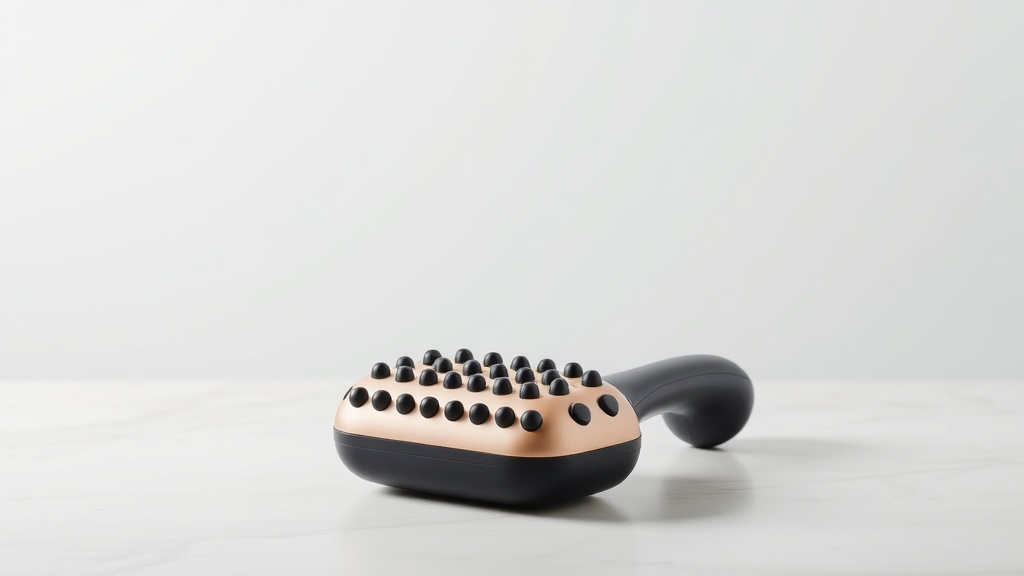
The Bob and Brad D6 Pro's brushless motor is a significant engineering advantage that contributes to both its performance and longevity. Brushless motors generate less friction and heat than their brushed counterparts, resulting in quieter operation and a longer lifespan. This motor technology, once reserved for premium devices, is now a hallmark of the D6 Pro's commitment to delivering professional-grade quality at an accessible price.
- bob and brad d6 pro review
D6 Pro Specs: Motor, Amplitude, and Frequency Range
The relationship between price and quality in the massage gun market follows a curve with diminishing returns above a certain threshold. Devices under fifty dollars often lack the motor power and build quality for effective therapy. The sweet spot for most users falls between one hundred and two hundred dollars, where performance and durability align well with cost. Spending above three hundred dollars adds incremental improvements that most non-professional users will not notice.
Testing Deep Tissue Performance on Back and Shoulders
Athletes preparing for competition have specific recovery needs that differ from those of casual users, and their massage gun selection should reflect these requirements. Higher stall force ensures the device can penetrate dense, well-developed muscle tissue without stalling, while multiple speed settings allow for both gentle warm-up protocols and aggressive post-competition recovery. Battery life becomes critical for athletes who travel to events and may not have convenient access to charging.
How the D6 Pro Handles Stubborn Trigger Points
The D6 Pro's packaging and presentation have been praised by reviewers and gift-givers for striking the right balance between professional and accessible. The clean, informative box design communicates quality without the intimidating clinical aesthetic that some medical-adjacent products adopt. This approachable presentation makes the D6 Pro an easy recommendation as a gift, as the unboxing experience itself sets a positive tone for the ownership journey.
Comparing Deep Tissue Capability to Theragun and Hypervolt
Modern massage guns have largely replaced foam rollers and manual massage tools for post-workout recovery. The speed and intensity of percussive therapy reaches muscle layers that static compression cannot effectively target. Sessions are also shorter, with most experts recommending just two minutes per muscle group. This efficiency makes it practical to treat the entire body in under twenty minutes.
Professional athletes and their support teams evaluate massage guns through a lens of performance optimization and injury prevention. The D6 Pro's high stall force allows athletic trainers to work aggressively on large, conditioned muscles without the device faltering. Its quiet operation permits use in locker rooms and treatment areas without disrupting team meetings or media sessions. The professional-grade specifications packaged in a consumer-friendly format make it versatile across all usage contexts.
- bob and brad d6 pro review
Best Practices for Deep Tissue Use with the D6 Pro
Percussion therapy for the tibialis anterior, the muscle on the front of the shin, can help manage shin splints and improve ankle dorsiflexion. This muscle works eccentrically during running to control foot descent, making it vulnerable to overuse in runners who increase mileage too quickly. Percussion therapy applied along the length of the tibialis anterior can reduce tension, improve blood flow, and alleviate the aching pain associated with shin splints. Treatment should follow the muscle's path from just below the knee to the top of the foot.
Our Deep Tissue Performance Score and Recommendation
Percussion therapy applied to the tensor fasciae latae, a small hip muscle that connects to the IT band, can address the root cause of many lateral knee and hip pain presentations. This muscle sits just below the front of the hip bone and is easily accessed with a ball or bullet attachment. Chronic sitting causes the TFL to become overactive as a hip flexor substitute, creating excessive IT band tension. Regular percussion therapy combined with gluteal activation exercises can restore normal muscle balance around the hip.
The pectoralis minor, a small muscle beneath the pectoralis major that attaches to the coracoid process of the shoulder blade, is a frequent contributor to rounded shoulders and anterior shoulder impingement. When shortened, it tilts the shoulder blade forward and downward, narrowing the subacromial space. Percussion therapy applied to the pectoralis minor just below the collarbone, slightly lateral to the sternum, can effectively release this muscle. This treatment often produces immediate improvement in shoulder posture and overhead reach.