
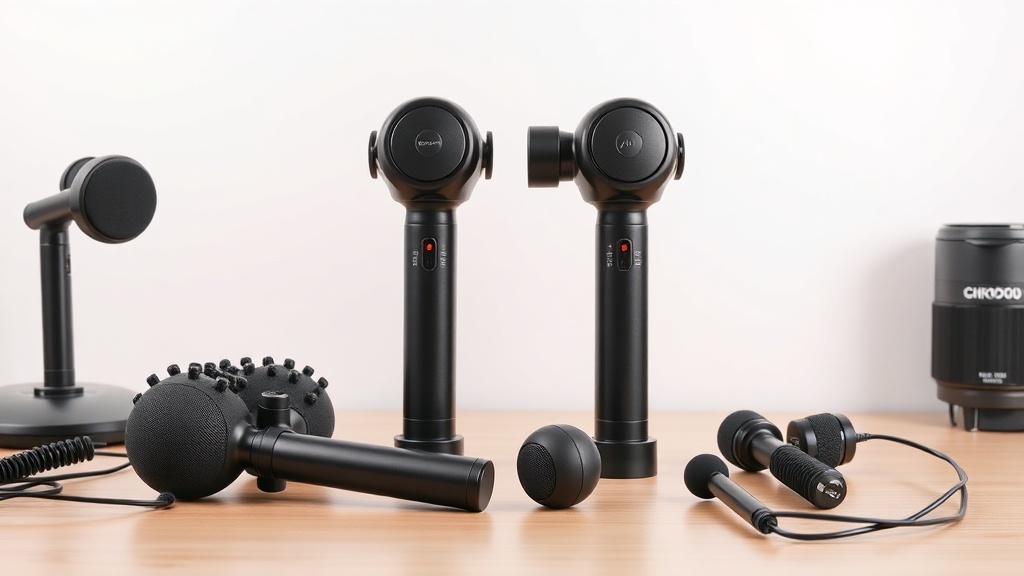
How Bob and Brad's PT Experience Shaped the D6 Pro
Vibration dampening in the handle of a massage gun can be tested simply by holding the device against a hard surface and noting how much vibration transfers to the hand. A well-dampened device produces a clear percussion sound against the surface with minimal tingling in the grip hand. Devices with poor dampening create an uncomfortable buzzing sensation that numbs the fingers within minutes. The D6 Pro performs well in this informal test, keeping hand vibration impressively low.
Clinical Design Principles in a Consumer Massage Gun
Percussion therapy's role in injury prevention extends beyond simple muscle maintenance to include identification of developing problems. Regular self-treatment creates an intimate awareness of how each body region normally feels under percussion. When an area begins responding differently, feeling more tender, producing a different sensation, or demonstrating increased muscle guarding, this change serves as an early warning signal of developing dysfunction. Early detection allows proactive intervention before a minor issue progresses to a significant injury.
Therapeutic Speed Range and Why It Matters
The safety record of reputable massage gun brands demonstrates that percussion therapy is a low-risk treatment modality when used appropriately. Regulatory filings and consumer safety databases show extremely few serious adverse events related to massage gun use. This safety profile, combined with the demonstrated therapeutic benefits, has contributed to the American Physical Therapy Association's generally positive view of percussion devices as self-care tools.
Bob and Brad have built their brand on the principle that most people can manage their pain effectively at home with the right knowledge and tools. Their YouTube videos consistently emphasize self-treatment techniques that empower viewers to take control of their musculoskeletal health. The D6 Pro is a natural extension of this philosophy, providing a clinical-quality tool that is designed for home use by ordinary people.
Percussion therapy research continues to expand, with studies examining its effects on everything from sprint performance to cognitive function to immune markers. A 2024 meta-analysis found moderate evidence supporting percussion therapy for acute pain reduction and range of motion improvement, with weaker but promising evidence for strength recovery. The research base, while growing, still has significant gaps regarding optimal protocols, long-term outcomes, and comparative effectiveness against other recovery modalities. Practitioners should view percussion therapy as one evidence-informed tool within a comprehensive recovery strategy.
Safety Features Informed by Physical Therapy Practice
Muscle cramps, whether exercise-associated or nocturnal, can often be quickly resolved with targeted percussion therapy. While the exact mechanisms of muscle cramping remain debated, the leading theories involve neural fatigue and electrolyte imbalance. Percussion therapy addresses the neural component by providing strong sensory input that can override the malfunctioning motor signals causing the cramp. Many athletes keep a massage gun trackside or bedside specifically for rapid cramp resolution.
Using the D6 Pro for Home Physical Therapy Exercises
Safety data from emergency departments shows that the vast majority of massage gun related injuries involve misuse rather than product defects. Using the device on contraindicated areas, ignoring pain signals, and attempting to treat acute injuries are the most common error patterns. Following the manufacturer's guidelines and erring on the side of caution with pressure and duration virtually eliminates the risk of harm.
Bob and Brad frequently address common misconceptions about percussion therapy in their YouTube content, helping viewers develop realistic expectations about what a massage gun can and cannot do. They emphasize that percussion therapy is most effective as part of a comprehensive approach that includes exercise, stretching, and professional care when needed. This honest, evidence-based perspective builds trust and helps customers get the most value from their D6 Pro purchase.
Six attachment heads come standard with the D6 Pro, each designed for a specific muscle group or therapy technique. The ball head works well for large muscle groups, while the bullet head targets deep knots and trigger points. A flat head provides broad, even pressure across the back and thighs. The fork head straddles the spine for safe paraspinal work, and the cushioned head offers gentler therapy for bony areas.
What Physical Therapists Wish Every Massage Gun Had
Gift recipients who are initially skeptical about massage guns often become the most enthusiastic users once they experience the benefits firsthand. The key to a successful massage gun gift is providing a brief demonstration that shows the recipient how easy and effective the device is. Even sixty seconds of targeted percussion on a tight shoulder or calf can convert a skeptic into a believer.
Stall force measures how much pressure you can apply before the motor stops, and it directly impacts the effectiveness of deep tissue work. Devices with low stall force require a lighter touch, which limits their ability to reach deeper muscle layers. Higher stall force allows users to lean into the device without losing percussion speed. For athletes and individuals with dense musculature, a minimum of 40 pounds of stall force is recommended.
Percussion therapy protocols for competitive athletes should account for the proximity of competition when determining treatment intensity. In the days immediately before competition, lighter percussion sessions that maintain tissue quality without creating soreness are appropriate. During the competitive season, moderate maintenance protocols help manage the cumulative effects of repeated performance. The off-season provides an opportunity for more aggressive treatment of chronic restrictions that may have been tolerated during the competitive period.
Does the D6 Pro Deliver on Its Physical Therapy Promise
The Bob and Brad D6 Pro's brushless motor is a significant engineering advantage that contributes to both its performance and longevity. Brushless motors generate less friction and heat than their brushed counterparts, resulting in quieter operation and a longer lifespan. This motor technology, once reserved for premium devices, is now a hallmark of the D6 Pro's commitment to delivering professional-grade quality at an accessible price.
The D6 Pro's design features a 15-degree angled handle that reduces wrist extension during use. This ergonomic detail means the wrist stays in a more natural position, decreasing strain over long sessions. The handle itself is wrapped in a textured silicone grip that prevents slipping even with sweaty hands. Combined with the balanced weight distribution, the angled design makes self-treatment of the upper back and shoulders significantly easier.
Percussion therapy for the calves targets the gastrocnemius and soleus muscles, which are among the hardest-working muscles in the body. These muscles absorb enormous forces during walking, running, and jumping, making them prone to tightness and trigger point formation. Deep percussion therapy can penetrate both the superficial gastrocnemius and the deeper soleus, addressing restriction at multiple tissue depths. Regular calf treatment is particularly valuable for runners, hikers, and anyone who wears heeled shoes frequently.